

<< Voici mon secret. Il est très simple: on ne voit bien qu'avec le cœur. L'essentiel est invisible pour les yeux. >> ~ Antoine de Saint-Exupéry
dans Le Petit Prince
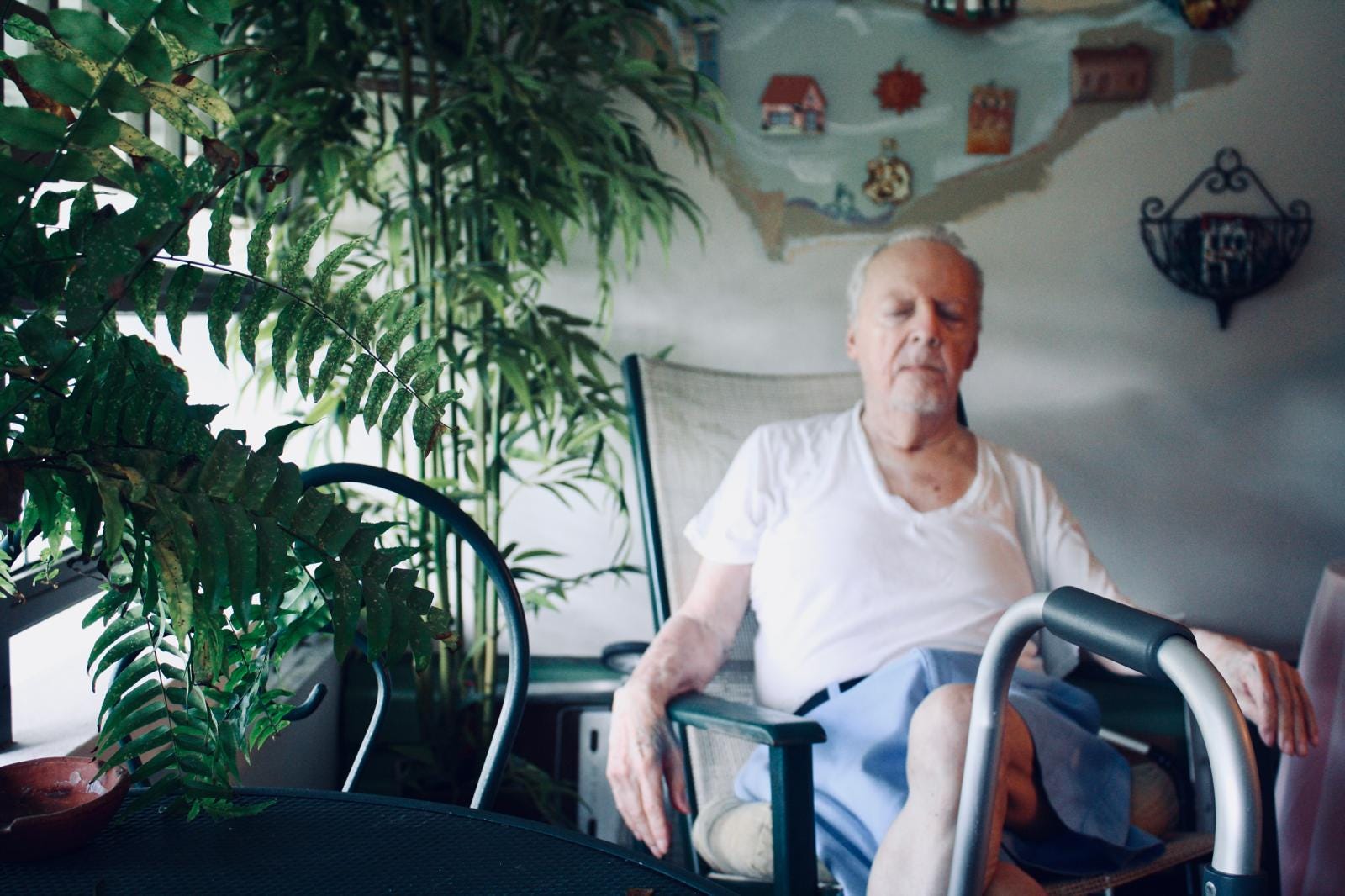
The sun was setting on a Wednesday in February, & my father was driving me to our local library to hear Roxane Gay give a reading. The event was scheduled to begin at 8pm, but I’m just going to presume that I was running late (as usual). I knew something was wrong by the way my dad answered the phone, or rather, from the hesitation right before he said hello—when he wondered why my uncle would be calling him. I could sense what he was about to say next by the way his voice cracked, & his eyes crinkled in that way that means he’s trying not to cry… “Se murio Borges—” were the only words that came, but I’d already understood from his body language that my grandfather was gone. By now, we were almost at the library… So I told my father that I still wanted to go to the poetry reading. Yet the truth was I didn’t want to be there when he broke the news to my mom: This was her own beloved father, after all, who she adored with all of her might.
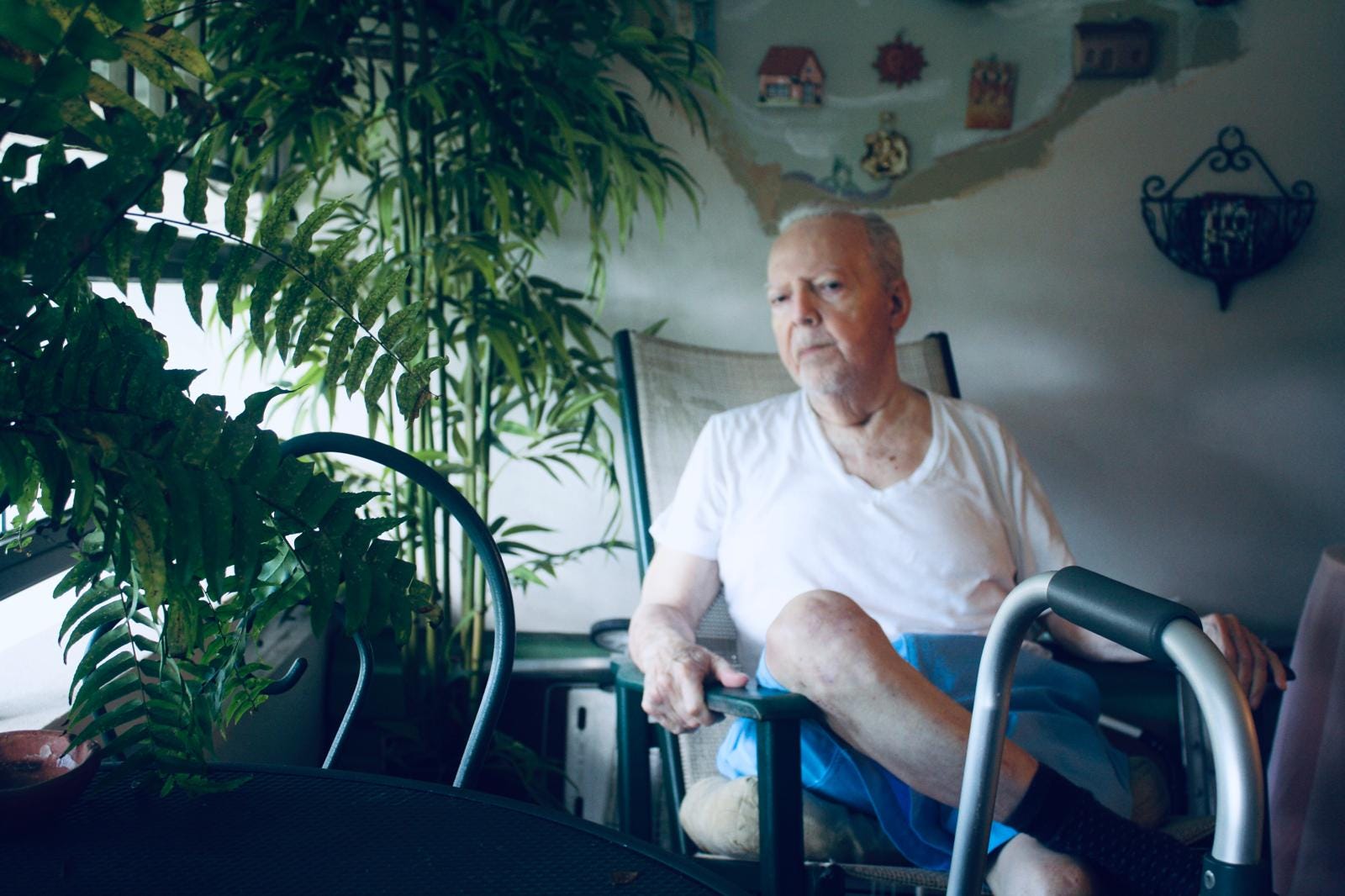
On Thursday, we boarded a plane already dressed in black—in order to travel directly to the wake. I remember this flight feeling dramatically different from the ones we took together when I was a child. My mother was dignified despite her grief—a stark contrast to the sobbing & wailing my father described upon breaking the news the night before. We disembarked, & headed straight for the funeral home—a place I’d never been to before—to find my grandmother. I knelt before her. She looked hollowed out… I was informed by somebody attending her that she was on a strong dosage of benzodiazepine, & that there were smelling salts close at hand. “Estamos aqui, abuela” I said as I laid my face in her hand… But she had a faraway look in her eyes, & only nodded vaguely like she wasn’t really registering who was there, much less which grandchild had spoken. My cousin knelt at her other knee—neither one of us able to leave her side all night.
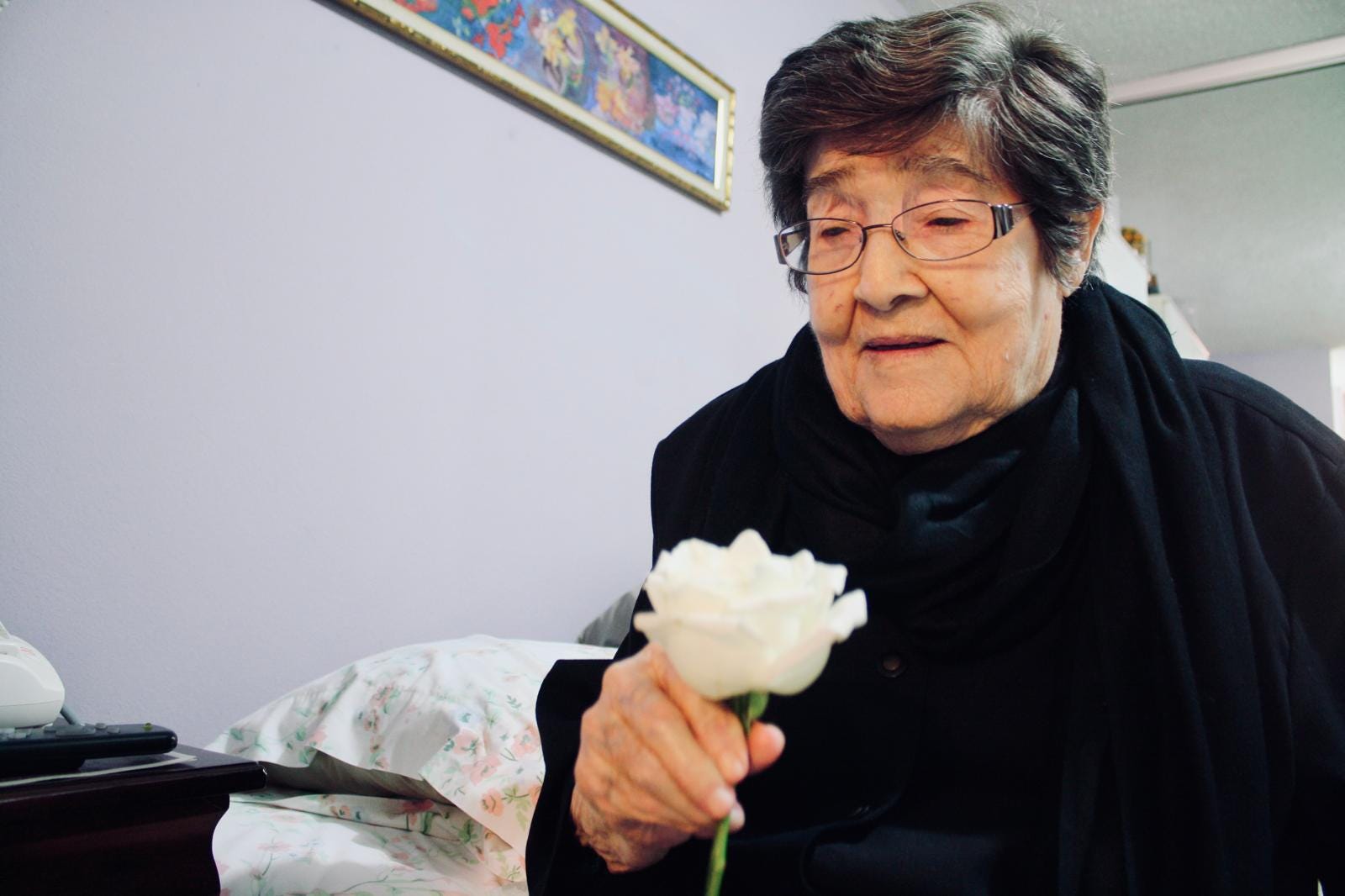
On Friday, family members were invited to speak at the funeral if we wanted to say a few words. I hadn’t prepared anything for the occasion, but I held in my hands a copy of Le Petit Prince translated into Spanish. Of all the books which my grandfather shared with me, this one had the most profound impact on my life… I had purchased the particular copy I was now holding with the hope of reading it to him one last time. Instead, I read a chapter to a weepy audience at the service—fumbling awkwardly through some of the Spanish. Afterwards, my father kept making jokes forbidding me to read anything at his own funeral—but I had done what I needed to do to make myself feel better. The hardest part was watching my grandmother as the coffin was lowered into the ground—but this didn’t come as a surprise. What surprised me was the second hardest part—watching her walk into & break down in my grandfather’s now empty bedroom.
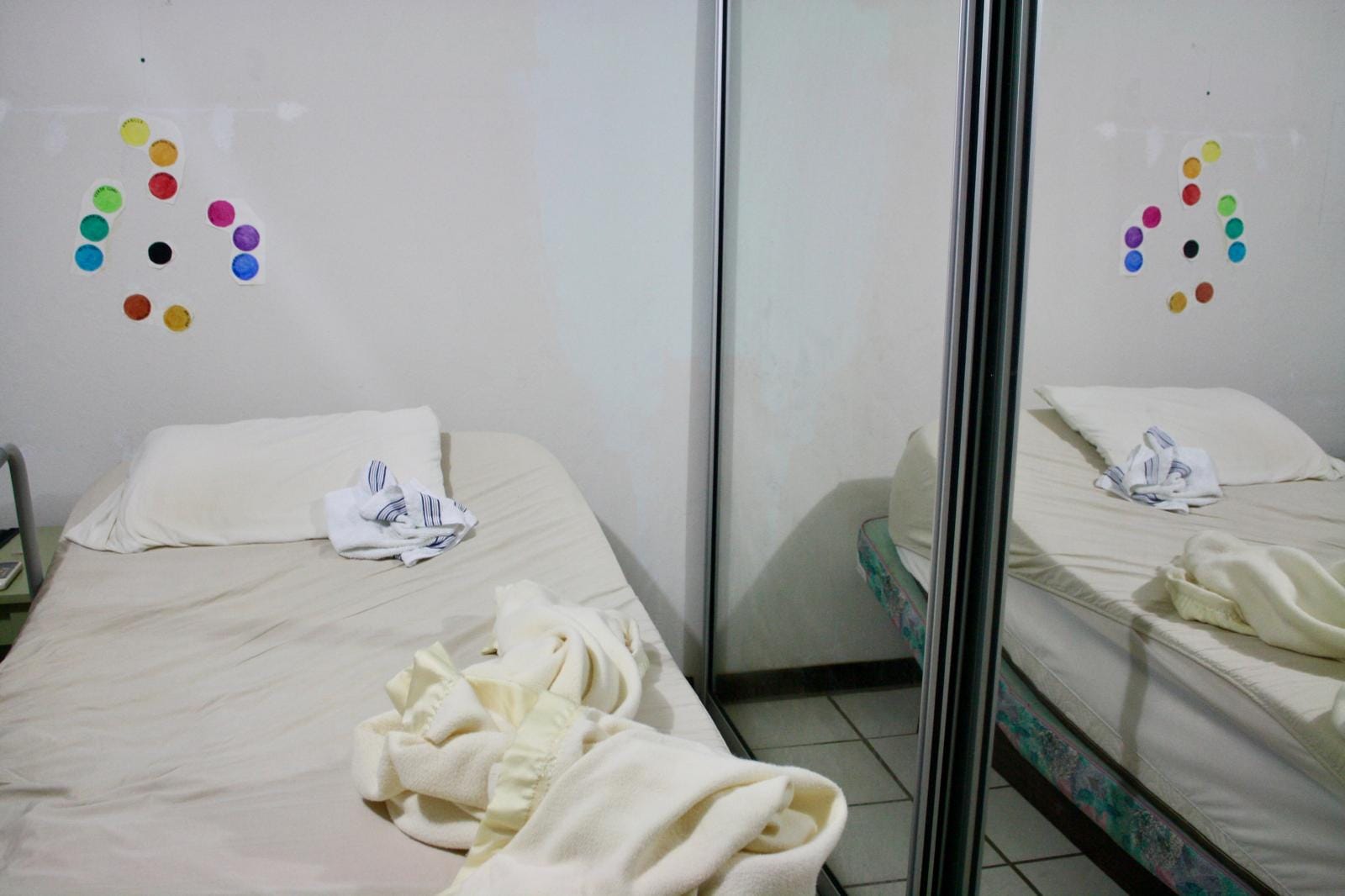
I have sparse memories of that Saturday & Sunday—spent drinking homemade hot cocoa with distant relatives, or friends who couldn’t make it in time for the funeral itself. I remember long talks with my cousin, Maria, who along with my mother & myself were spending the nights with my grandmother. We kept vigil with her caretaker, Zora, who had been the only other person present to witness the exact moment of my grandfather’s passing. We each had our way of holding space for my grieving grandmother. Mostly, we shared stories until she uttered his name in such a way that it indicated she couldn’t go on talking—so then we’d simply sit & listen to the silence of his absence in their apartment… There was some laughter. There was some television. I tried to press on with my work—it had been a busy season leading up to this, & life has a way of pressing onward—so I found myself in contact with Gulf Coast to which I had promised five poems.
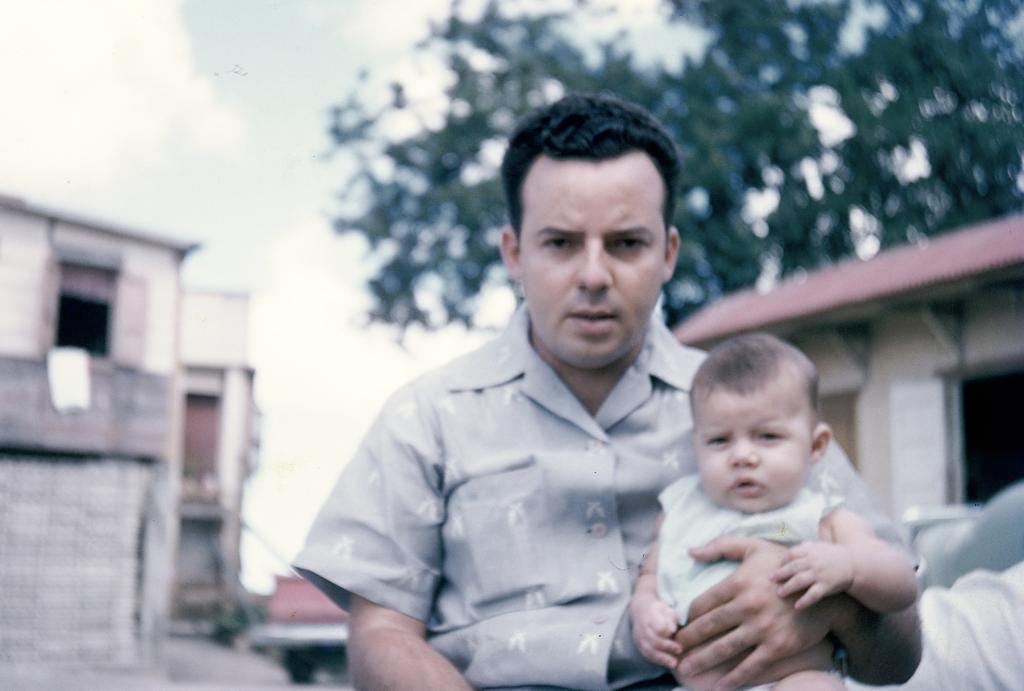
I sent the journal a few fresh poems—including one I’d titled “On the Morning of My Grandfather's Funeral” & the only edit which the editors requested was that I change this title. So I re-sent it as “Abuelo” (which was printed in 2016, & then later reprinted by Verse Daily). I should note that this was the first time I used Spanish in any poem which I’ve had published. I will also confess that the piece was indeed written predominantly during the service… Not during the wake the night before (with his body on display), nor during the procession & lowering of his body (which happened so quickly). I’m unsure why I feel the need to mention this detail, except I do have a history of writing poetry during church. Usually, I scribble esoteric lines into the margins of a service pamphlet. This time, entire verses tumbled out between the stabs of sorrow. I filled a page in my notebook—tears punctuating the feelings I managed to capture whenever those tears held.
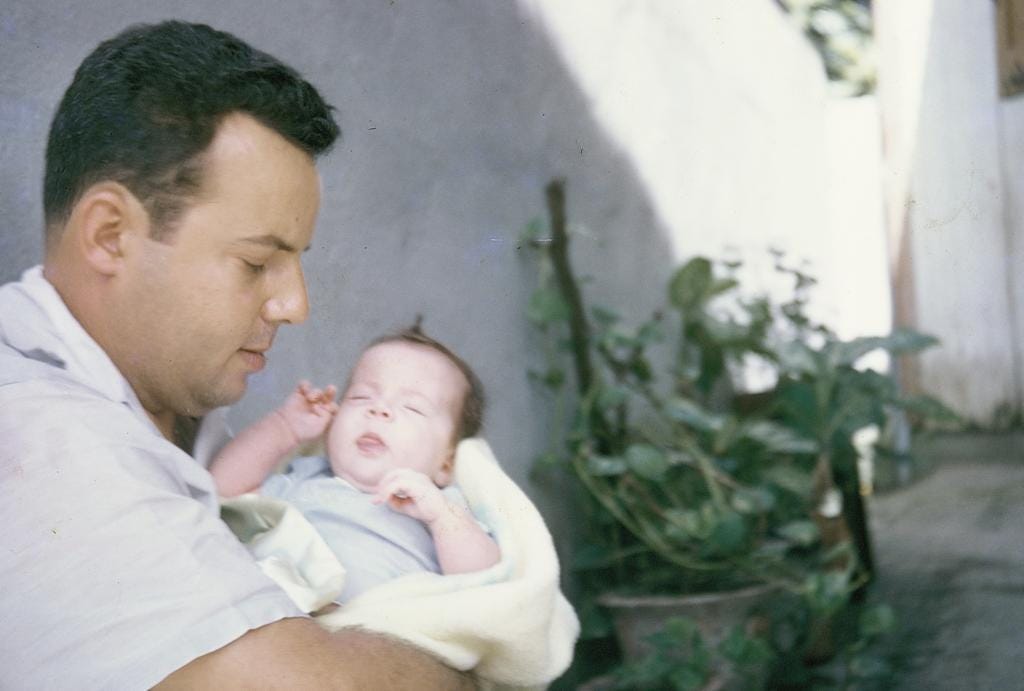
If I could say anything to my grandfather now—well over a decade after the last time I saw him, took these photos, wrote this poem—it’s that I still get emotional every time I think about him, look at him through my eyes, read my own words about grief. He was many things to many people, & he continues to represent so much which feels irreplaceable. This past decade without him began like a grain of sand beneath my fingernail, but has grown into a mountain inside of my chest—it’s something I simply live with. It’s still difficult to discuss this loss with those who knew him well. I’m not sure grief is an emotion our meager words can ever do justice. I just know that I tried—all those years ago—to use language in order to parcel through & attempt to cope with mine. I sincerely hope that none of you are currently coping with loss, or have found yourself grieving as of late—but if so, perhaps this piece will bring you a modicum of comfort & squeeze your hand.
~ Abuelo ~
Qué poco sabemos, al final. Que un barco
puede detenerse en la orilla del mar, hasta que
lo vuelca, al fin, aquello que más ama.
Que el amor es la fortaleza sin muros
y jardines sinuosos. Que el tiempo nos roe
hasta los huesos, y luego hasta el espíritu puro.
Y que el dolor es una especie de iglesia: es
así de escaso y así de limpio. Es la rosa azul
sostenida en el agua clara de la mente, es una
canica de miel sellada dentro de una jarra
de sal; es, de esta manera, dulce en su esencia.
Pero mi lengua se vuelve piedra. Y mi corazón,
una piedra que intenta sacar leche de otra
piedra. Aquí está tu cuerpo, dulce y solemne
testigo. Aquí está tu corona de silencio.
Aquí está tu mano, una especie de voz
en la oscuridad. Aquí está tu piel, una flor blanca
que florece y vuelve a florecer. Es solo
la luz agrietada que ahora nos separa, una
puerta silenciosa que has atravesado. No eres
tú él quién se ha ido. Es el cielo, bajado
ahora, el que ha venido a caminar contigo.
*
~ Grandfather ~
How little we know, in the end. That a boat
can stall at the edge of the sea, until it is
overturned, at last, by what it loves most.
That love is the fortress with no walls
and winding gardens. That time gnaws
us down to a new bone, then to pure spirit.
And that grief is a kind of church—it is
that sparse and that clean. It is the blue rose
held in the clear water of the mind, is a
marble of honey sealed inside a pitcher
of salt—is, in this way, sweet at the core.
But my tongue is made stone. And my heart,
a stone trying to draw milk from another
stone. Here is your body, sweet and solemn
witness. Here is your crown of silence.
Here is your hand, itself a kind of voice
in the dark. Here is your skin, a white flower
blossoming and blossoming again. It is only
the cracked light that now separates us, a
quiet door you have passed through. It is
not you who has gone. It is the sky, now
lowered, that has come to walk with you.
*
Published by Gulf Coast in 2015
Reprinted in Verse Daily in 2016